Uncategorized
Freemasonry UK
Freemasonry UK
Freemasonry UK | History, Values, Membership & Masonic Traditions Discover Freemasonry UK, its history, values, traditions, charitable work, membership process, and positive impact on communities across Britain. Freemasonry UK
Alternative Meta Description:
Learn about Freemasonry in the UK, including its origins, principles, charitable activities, membership requirements, and modern role in society. Freemasonry UK
Freemasonry UK: A Complete Guide to History, Values, Traditions, Membership, and Modern Society
Introduction

Freemasonry is one of the world’s oldest and most widely recognized fraternal organizations. In the United Kingdom, Freemasonry has played a significant role in social, charitable, and community life for centuries. Often surrounded by curiosity, myths, and misconceptions, Freemasonry continues to attract individuals who seek personal development, friendship, ethical living, and opportunities to contribute positively to society. Freemasonry UK
Freemasonry in the UK represents a tradition that combines historical heritage with modern values. While its rituals and ceremonies preserve centuries-old customs, its purpose remains highly relevant in the modern world. Freemasonry encourages integrity, kindness, respect, self-improvement, and charitable giving. It provides a supportive environment where members from diverse backgrounds can come together in fellowship while sharing common moral and ethical principles. Freemasonry UK
This comprehensive guide explores the history of Freemasonry in the UK, its core beliefs, organizational structure, traditions, membership process, charitable activities, social impact, and role in contemporary British society. Freemasonry UK
The Origins of Freemasonry in the United Kingdom
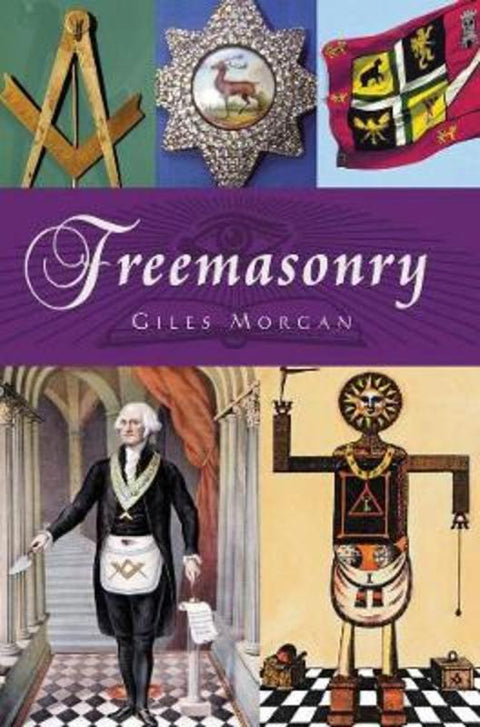
The roots of Freemasonry can be traced back to medieval stonemason guilds. These guilds were responsible for constructing cathedrals, castles, churches, and other monumental structures across Europe. Freemasonry UK
During the Middle Ages, stonemasons possessed specialized skills that were highly valued. They formed organized groups to protect their trade knowledge, maintain standards, and provide mutual support. Over time, these guilds developed systems of recognition, symbols, and traditions. Freemasonry UK
As the demand for large-scale stone construction declined, many guilds began admitting non-working members who shared intellectual, social, and philosophical interests. These individuals became known as “speculative masons,” distinguishing them from the “operative masons” who worked directly in the construction trade. Freemasonry UK
The transition from operative to speculative Freemasonry marked the beginning of modern Freemasonry.
In 1717, four London lodges united to form what is widely recognized as the first Grand Lodge in the world. This event is considered a landmark moment in Masonic history and significantly influenced the development of organized Freemasonry worldwide.
The establishment of the Grand Lodge helped standardize rituals, practices, and governance structures. From this foundation, Freemasonry spread throughout Britain and later across the globe. Freemasonry UK
Growth of Freemasonry Across Britain
Throughout the eighteenth and nineteenth centuries, Freemasonry expanded rapidly throughout England, Scotland, Wales, and Ireland. Freemasonry UK
The organization attracted members from various professions and social classes, including:
- Merchants
- Military officers
- Scholars
- Craftsmen
- Business leaders
- Politicians
- Professionals
Masonic lodges became centers for intellectual discussion, social networking, mutual support, and charitable initiatives.
As the British Empire expanded, Freemasonry accompanied it, establishing lodges in many parts of the world. Consequently, British Freemasonry played a major role in shaping global Masonic traditions.
Today, Freemasonry remains active throughout the UK, with thousands of members participating in local lodges and charitable programs. Freemasonry UK
Core Values of Freemasonry UK
Freemasonry is built upon a foundation of moral and ethical principles. Freemasonry UK
Although practices may vary slightly between jurisdictions, several core values remain central.
Integrity
Integrity is one of the most important Masonic principles.
Freemasons are encouraged to act honestly, honor commitments, and uphold high ethical standards in their personal and professional lives. Freemasonry UK
Integrity forms the basis of trust among members and supports the organization’s reputation within society.
Friendship
Freemasonry creates opportunities for individuals from diverse backgrounds to form meaningful friendships. Freemasonry UK
Members often describe the fraternity as a supportive network that fosters mutual respect, understanding, and lifelong relationships.
Respect
Respect for others is a fundamental aspect of Masonic culture.
Freemasons are encouraged to value differing perspectives and treat all people with dignity regardless of social status, religion, ethnicity, or profession.
Charity
Charitable giving is one of the most visible aspects of Freemasonry. Freemasonry UK
Members contribute significant time, effort, and resources to support communities, healthcare initiatives, education programs, and humanitarian causes. Freemasonry UK
The Symbolism of Freemasonry
Symbols play a central role in Masonic teaching.
Rather than serving as secret codes, symbols are used as educational tools that convey moral and philosophical lessons. Freemasonry UK
The Square
The square represents honesty, fairness, and ethical conduct.
Freemasons are encouraged to “square their actions” according to moral principles. Freemasonry UK
The Compasses
The compasses symbolize self-control and moderation.
They remind members to maintain balance and discipline in their lives. Freemasonry UK
The Letter G
The letter G is often interpreted as representing geometry, knowledge, or the divine principle that governs creation.
Its meaning may vary depending on jurisdiction and interpretation.
The Apron
The Masonic apron is one of the most recognizable symbols.
Originally linked to operative stonemasons, it represents purity, service, and honorable labor.
Organizational Structure of Freemasonry UK
Freemasonry operates through a structured system of local lodges and governing bodies.
Local Lodges
The local lodge serves as the foundation of Masonic activity.
Members meet regularly for:
- Ceremonies
- Educational presentations
- Social gatherings
- Charitable planning
- Fellowship activities
Each lodge functions independently while adhering to established regulations.
Provincial Organizations
Many lodges belong to regional or provincial structures that provide administrative support and coordination.
These organizations help ensure consistency and facilitate communication between lodges.
Grand Lodges
Grand Lodges oversee Freemasonry within specific jurisdictions.
They establish standards, govern membership practices, and preserve traditions.
Grand Lodges play an essential role in maintaining organizational integrity.
Membership in Freemasonry UK

One of the most frequently asked questions concerns membership requirements.
Freemasonry welcomes individuals from many walks of life.
While specific requirements may vary, applicants generally must:
- Be of legal adult age
- Demonstrate good character
- Possess a belief in a supreme being according to their own faith tradition
- Apply voluntarily
- Commit to ethical conduct
Membership is not based on wealth, social status, ethnicity, or occupation.
Freemasonry seeks individuals who wish to improve themselves and contribute positively to society.
How to Join Freemasonry in the UK
The process of joining Freemasonry is straightforward and transparent.
Initial Inquiry
Prospective members typically contact a local lodge or Masonic organization.
This initial conversation allows applicants to learn more about the fraternity and ask questions.
Informal Meetings
Candidates may be invited to social events or meetings where they can meet members and better understand lodge culture.
Application Process
Interested individuals complete an application form and provide basic personal information.
Interviews
Members conduct interviews to ensure applicants understand the commitment involved and align with Masonic values.
Balloting
Existing members review applications according to established procedures.
Initiation
Successful candidates participate in an initiation ceremony that marks the beginning of their Masonic journey.
Degrees in Freemasonry
Freemasonry traditionally consists of three primary degrees.
Each degree represents a stage of personal development and learning.
Entered Apprentice
The first degree introduces candidates to Masonic principles and symbolism.
It emphasizes self-awareness, personal responsibility, and ethical behavior.
Fellow Craft
The second degree focuses on intellectual growth, education, and the pursuit of knowledge.
Members are encouraged to continue developing their skills and understanding.
Master Mason
The third degree represents maturity, responsibility, and deeper engagement with Masonic teachings.
It is regarded as the culmination of the foundational Masonic journey.
Masonic Rituals and Ceremonies
Rituals are an important part of Freemasonry.
These ceremonies use symbolism, allegory, and tradition to communicate moral lessons.
Contrary to popular myths, Masonic rituals are not intended to conceal sinister activities.
Instead, they provide memorable educational experiences that reinforce ethical principles.
Many traditions have remained largely unchanged for centuries, preserving historical continuity while maintaining relevance for modern members. Freemasonry UK
Freemasonry and Charity in the UK
Charity is among the most significant aspects of British Freemasonry.
Masonic organizations collectively contribute millions of pounds annually to charitable causes.
Support extends to:
- Medical research
- Healthcare services
- Children’s charities
- Educational initiatives
- Disaster relief efforts
- Community organizations
- Elderly care programs
Many charitable activities occur quietly without extensive publicity.
This reflects the Masonic principle that charitable acts should be motivated by genuine compassion rather than public recognition.
Community Impact
Freemasonry contributes to society in numerous ways beyond financial donations.
Members often volunteer their time and expertise to support local communities.
Examples include:
- Fundraising campaigns
- Community development projects
- Educational mentoring
- Volunteer services
- Public welfare initiatives
These activities strengthen local communities and foster positive social relationships.
Misconceptions About Freemasonry
Freemasonry has been the subject of speculation for centuries.
Several common misconceptions deserve clarification.
Myth: Freemasonry Is a Secret Society
Freemasonry is better described as a society with private traditions rather than a secret society.
Its existence, leadership, charitable activities, and many aspects of its operations are publicly known.
Myth: Members Receive Special Political Influence
Freemasonry does not exist to advance political agendas.
Political and sectarian discussions are generally discouraged within lodge meetings.
Myth: Freemasonry Is a Religion
Freemasonry is not a religion.
It does not replace religious belief or worship.
Members may belong to various faith traditions while participating in Freemasonry.
Myth: Only Elites Can Join
Freemasonry includes members from diverse backgrounds and professions.
The organization emphasizes character rather than social status.
Freemasonry and Personal Development
Many individuals join Freemasonry because of its emphasis on self-improvement.
Members are encouraged to develop:
- Leadership skills
- Communication abilities
- Confidence
- Ethical judgment
- Community awareness
- Organizational capabilities
The structured learning environment promotes lifelong growth and reflection.
Education Within Freemasonry
Educational programs form an important part of lodge life.
Topics may include:
- History
- Philosophy
- Symbolism
- Leadership
- Ethics
- Public service
Members frequently participate in lectures, presentations, discussions, and research activities.
This educational dimension contributes significantly to the appeal of Freemasonry.
Brotherhood and Fellowship
One of Freemasonry’s greatest strengths is its sense of community.
Members often form strong friendships that extend beyond lodge meetings.
These relationships can provide:
- Emotional support
- Professional networking
- Mentorship opportunities
- Shared experiences
- Lifelong companionship
The bonds formed through Freemasonry often become an important part of members’ lives.
Freemasonry in Modern Britain
Modern British Freemasonry continues to evolve while preserving traditional values.
Organizations increasingly emphasize:
- Transparency
- Public engagement
- Community involvement
- Diversity
- Accessibility
Many lodges maintain websites, social media presence, and public outreach programs.
These initiatives help educate the public and dispel misconceptions.
Diversity and Inclusion
Freemasonry in the UK welcomes individuals from a wide variety of backgrounds.
Members represent numerous professions, cultures, ethnicities, and faith traditions.
The organization’s emphasis on mutual respect and shared values supports an inclusive environment where diverse perspectives are valued.
Technology and the Future of Freemasonry
Like many institutions, Freemasonry has adapted to technological changes.
Digital communication tools help lodges:
- Coordinate events
- Share information
- Conduct educational activities
- Engage prospective members
Technology supports organizational efficiency while preserving essential traditions.
Why People Join Freemasonry UK
Individuals join Freemasonry for many reasons.
Common motivations include:
- Personal development
- Friendship
- Community service
- Intellectual exploration
- Charitable involvement
- Family tradition
- Leadership opportunities
Although motivations vary, members frequently report that the combination of fellowship, purpose, and personal growth makes Freemasonry a meaningful part of their lives.
The Importance of Ethics in Freemasonry
Ethics remain central to Masonic philosophy.
Members are encouraged to apply moral principles consistently across all areas of life.
This emphasis includes:
- Honesty
- Accountability
- Responsibility
- Fairness
- Compassion
By promoting ethical conduct, Freemasonry seeks to help individuals become better citizens and community members.
Freemasonry and Society
Freemasonry’s influence extends beyond its membership.
Through charitable giving, volunteer work, educational initiatives, and ethical leadership, Masons contribute to broader social well-being.
The organization’s commitment to service reflects its belief that personal improvement should be accompanied by efforts to improve society.
Economic Contributions
Freemasonry indirectly contributes to economic development through charitable funding, volunteer support, event organization, and partnerships with community organizations.
Many fundraising efforts provide valuable resources to local and national causes.
Additionally, members often support initiatives that strengthen social infrastructure and public welfare.
Leadership Development
Freemasonry provides numerous opportunities for leadership training.
Members may organize events, coordinate charitable projects, manage lodge operations, and mentor newer members.
These experiences develop practical leadership skills that often benefit members in their professional and personal lives.
International Connections
One unique aspect of Freemasonry is its global reach.
Members traveling internationally may encounter lodges that share similar traditions and values.
This international network promotes cultural understanding, friendship, and cooperation among people from different countries.
Preserving Tradition in a Modern World
Freemasonry successfully balances tradition and progress.
Ancient symbols, rituals, and customs remain important because they connect members to a rich historical heritage.
At the same time, modern lodges embrace contemporary communication methods and community expectations.
This balance helps ensure the continued relevance of Freemasonry.
Conclusion
Freemasonry UK represents a unique blend of history, ethics, fellowship, charity, and personal development. Rooted in centuries of tradition yet actively engaged with modern society, Freemasonry continues to provide meaningful opportunities for individuals seeking friendship, self-improvement, and community service.
Its enduring appeal lies in its commitment to timeless values such as integrity, respect, compassion, and responsibility. Through local lodges, charitable activities, educational programs, and strong social bonds, Freemasonry contributes positively to communities throughout the United Kingdom.
For those interested in learning more, Freemasonry offers an open invitation to explore its principles, meet its members, and discover how one of Britain’s oldest fraternal traditions continues to thrive in the twenty-first century. Whether viewed through the lens of history, charity, personal growth, or community engagement, Freemasonry remains a significant and respected part of British society.
The Illuminati is a name most commonly associated with the Bavarian Illuminati, a secret society founded in Bavaria (present-day Germany) in 1776 by Adam Weishaupt. The organization was created during the Age of Enlightenment, a period when many intellectuals promoted reason, scientific thinking, education, and the questioning of traditional authority.
The primary goal of the Bavarian Illuminati was to encourage rational thought and oppose superstition, religious influence over public affairs, and abuses of political power. Members believed that knowledge, education, and critical thinking could help create a more enlightened society. The group operated secretly because many of its ideas challenged the political and religious authorities of the time.
The organization developed a structured membership system with different ranks and degrees. Members used aliases and communicated through coded messages to maintain secrecy. The Illuminati attracted educated individuals, including academics, professionals, and some members of other secret societies. Despite its growth, the organization existed for only a short period. In the 1780s, Bavarian authorities banned secret societies, and the Illuminati was officially dissolved.
Over time, the name “Illuminati” became surrounded by myths, legends, and conspiracy theories. Many modern theories claim that a hidden Illuminati controls governments, financial institutions, media organizations, or world events. These claims are widely circulated in popular culture, books, movies, and on the internet. However, historians and researchers have found no credible evidence that a secret global Illuminati controls world affairs.
Today, the term “Illuminati” is used in two different ways. Historically, it refers to the Bavarian Illuminati, a real secret society that existed in the late eighteenth century. In popular culture, it often refers to a supposed hidden group believed by some people to influence global events, although such claims remain unproven.
Key Characteristics of the Historical Illuminati:
• Founded in 1776 by Adam Weishaupt.
• Originated in Bavaria, Germany.
• Promoted reason, education, and Enlightenment ideals.
• Operated as a secret society with a hierarchical structure
• Became the subject of numerous conspiracy theories in later centuries.
In summary, the historical Illuminati was a real Enlightenment-era secret society with philosophical and political goals. The modern image of the Illuminati as a powerful organization secretly controlling the world is largely based on conspiracy theories rather than verified historical evidence.
