
Uncategorized
Joining Freemasonry UK
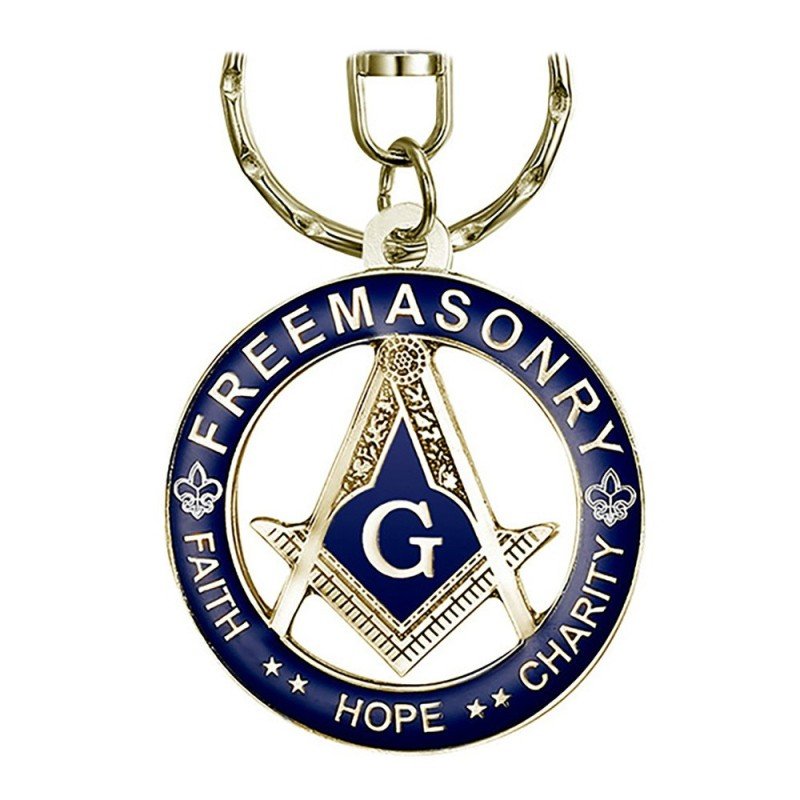
Joining Freemasonry UK
Joining Freemasonry UK: A Complete Guide to Becoming a Freemason in the United Kingdom
Introduction

Freemasonry is one of the world’s oldest and most respected fraternal organizations, bringing together men from diverse backgrounds who share common values of integrity, friendship, respect, and service to society. Across the United Kingdom, thousands of individuals choose to join Freemasonry each year to become part of a supportive community that encourages personal development, charitable giving, and lifelong friendships. Joining Freemasonry UK
If you are considering joining Freemasonry in the UK, you may have questions about what membership involves, the benefits of becoming a Freemason, the joining process, and the values that define the organization. This guide provides a comprehensive overview of everything you need to know about joining Freemasonry in the United Kingdom. Joining Freemasonry UK
What Is Freemasonry?
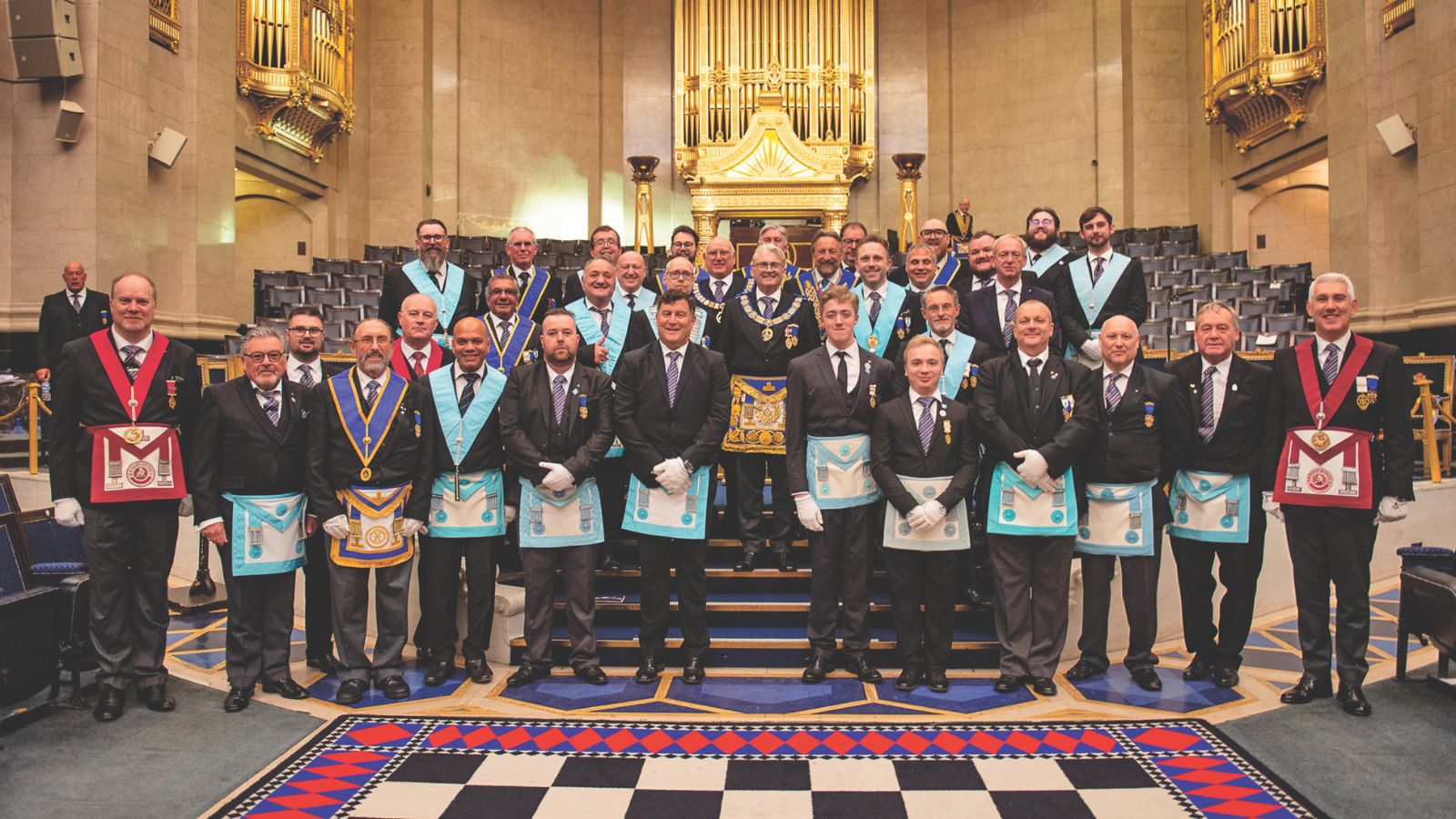
Freemasonry is a fraternal organization that traces its origins back several centuries. It is built on principles that encourage members to become better individuals, support their communities, and develop meaningful relationships with others.
Freemasonry is not a religion, political organization, or secret society. Instead, it is a society with traditions, ceremonies, and values that help members grow morally and socially while contributing positively to society. Joining Freemasonry UK
Members come from all walks of life, including professionals, tradespeople, entrepreneurs, academics, public servants, and retirees. The organization values diversity and welcomes individuals from different cultural, ethnic, and religious backgrounds.
Why Join Freemasonry in the UK?
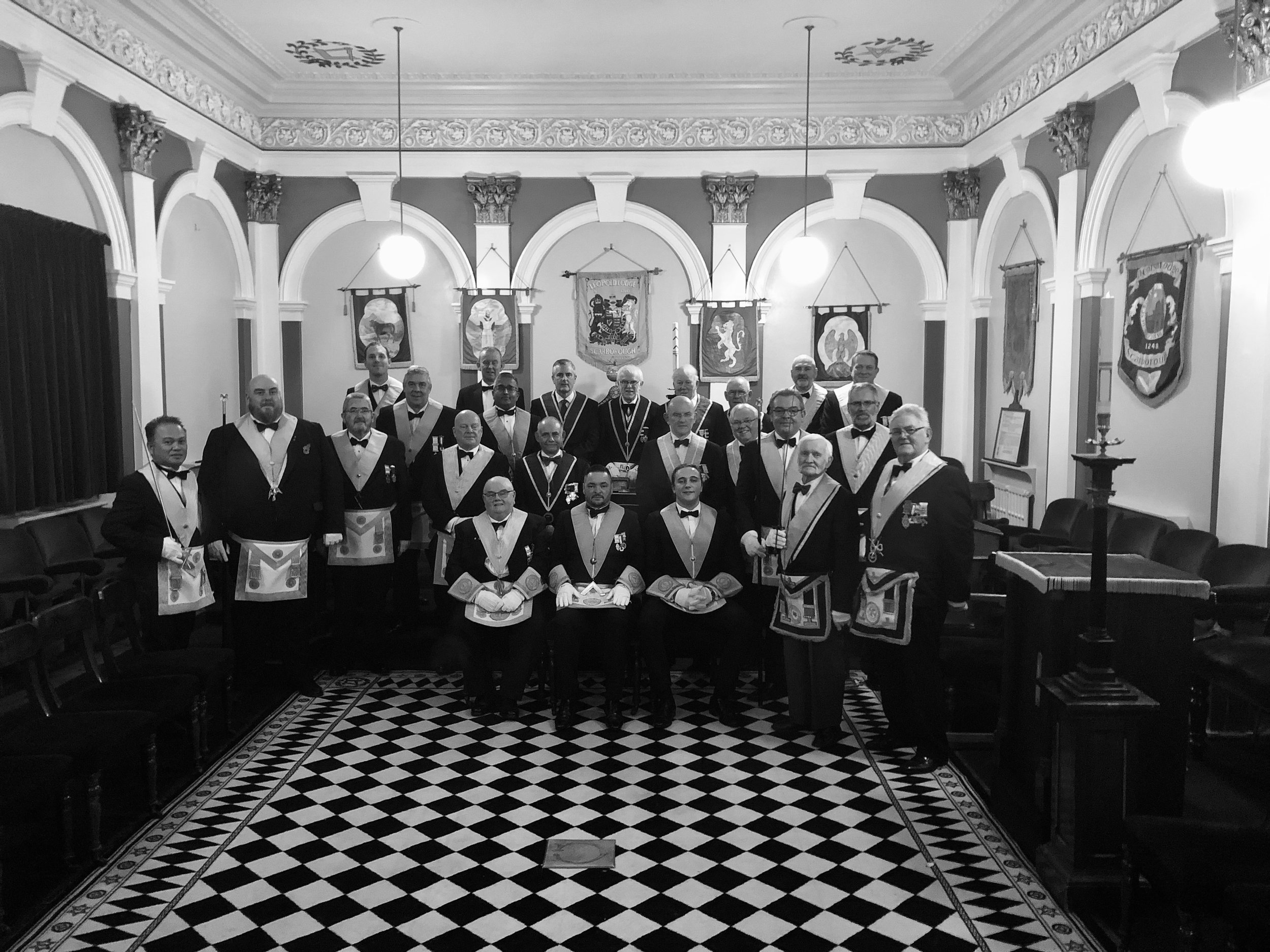
Many people choose to join Freemasonry for different reasons. Some are attracted by its history and traditions, while others seek personal growth, community involvement, or opportunities to build lasting friendships. Joining Freemasonry UK
Friendship and Brotherhood
One of the most significant benefits of Freemasonry is the opportunity to build genuine friendships. Members often develop lifelong relationships with individuals they may never have met otherwise.
Freemasonry creates an environment where people can connect based on shared values rather than social status, occupation, or background. Joining Freemasonry UK
Personal Development
Freemasonry encourages members to improve themselves through learning, self-reflection, and active participation in lodge activities. Joining Freemasonry UK
Members often develop:
- Leadership skills
- Public speaking confidence
- Organizational abilities
- Communication skills
- Teamwork and collaboration
- Self-discipline and responsibility
Charitable Giving
Charity is a cornerstone of Freemasonry. Freemasons collectively support a wide range of charitable causes throughout the UK and internationally.
These charitable efforts include:
- Medical research funding
- Community support projects
- Educational initiatives
- Disaster relief programs
- Children’s charities
- Healthcare services
- Local community organizations
Many members find great satisfaction in contributing to causes that make a meaningful difference in people’s lives.
Community Involvement
Freemasonry encourages active participation in local communities. Lodges often organize fundraising events, volunteer activities, and community outreach programs.
By joining Freemasonry, individuals become part of a network committed to helping others and strengthening society.
The Core Values of Freemasonry
Freemasonry in the UK is guided by several fundamental values.
Integrity
Members are encouraged to act honestly and ethically in all aspects of life.
Friendship
Strong personal relationships form the foundation of the Masonic experience.
Respect
Freemasonry promotes mutual respect, tolerance, and understanding among people from diverse backgrounds.
Service
Members strive to contribute positively to society through charitable and community-focused activities.
Who Can Join Freemasonry UK?
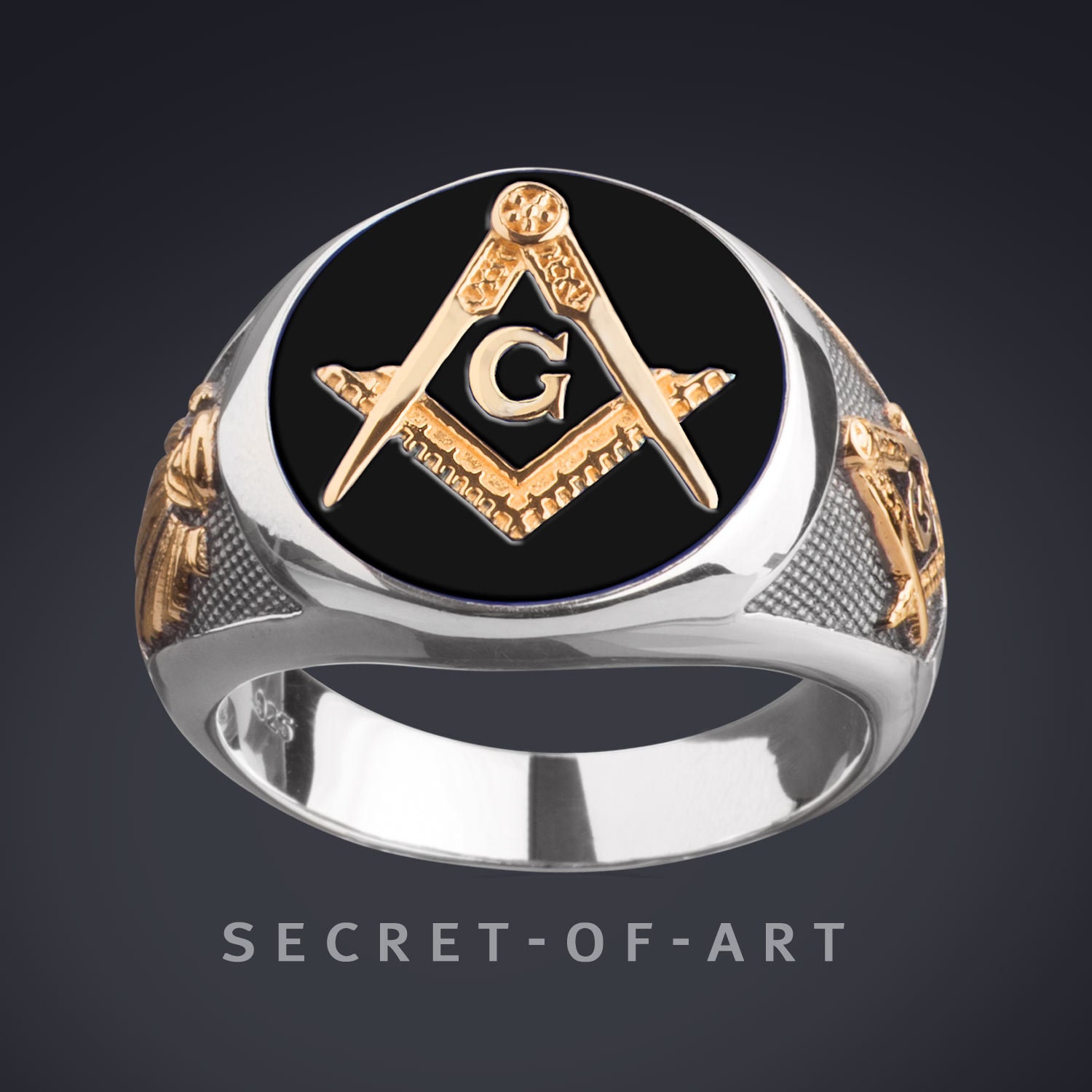
Freemasonry welcomes individuals who meet certain requirements.
Generally, applicants should:
- Be of good character
- Be at least 18 years old
- Have a belief in a Supreme Being (requirements may vary depending on jurisdiction)
- Join voluntarily and of their own free will
- Be willing to uphold Masonic values
Freemasonry does not discriminate based on ethnicity, profession, social status, or financial background.
How to Join Freemasonry in the UK
Step 1: Express Your Interest
The first step is simply expressing an interest in joining. Many prospective members contact their local lodge directly or submit an inquiry through official Masonic channels.
Step 2: Initial Conversation
A representative from a local lodge will usually arrange an informal conversation. This provides an opportunity to ask questions and learn more about membership.
Topics often discussed include:
- Personal background
- Reasons for joining
- Expectations of membership
- Lodge activities
- Time commitments
Step 3: Meet Lodge Members
Prospective members may be invited to social events or informal gatherings where they can meet current members and learn about the lodge culture.
This helps ensure a good fit for both the applicant and the lodge.
Step 4: Application Process
If both parties are satisfied, a formal application may be submitted.
The lodge will review the application and may conduct interviews or assessments as part of the membership process.
Step 5: Ballot and Approval
Lodge members typically vote on applications according to established procedures.
Once approved, the candidate receives an invitation to begin their Masonic journey.
Step 6: Initiation Ceremony
The initiation ceremony marks the official beginning of membership.
This ceremonial experience introduces new members to the principles and traditions of Freemasonry.
What Happens After Joining?
New members begin learning about Masonic traditions, symbolism, history, and values.
Participation may include:
- Regular lodge meetings
- Educational presentations
- Charity events
- Social gatherings
- Community projects
- Leadership opportunities
As members progress, they gain deeper knowledge of Freemasonry and become increasingly involved in lodge activities.
Understanding Masonic Lodges
A lodge is the basic unit of Freemasonry where members meet regularly.
Each lodge develops its own character while following established Masonic principles.
Lodges often organize:
- Business meetings
- Ceremonial events
- Educational sessions
- Charity initiatives
- Social functions
- Family-friendly activities
Members can choose a lodge that best aligns with their interests and location.
Common Misconceptions About Freemasonry
Freemasonry Is Not a Secret Society
While Freemasonry uses traditional ceremonies and symbolism, it is not a secret society. Many lodges maintain websites, participate in public events, and actively engage with local communities.
Freemasonry Is Not a Religion
Freemasonry does not replace religious beliefs or practices. Members are encouraged to maintain their own faith traditions.
Freemasonry Is Not Political
Political discussions and partisan activities are generally excluded from lodge meetings to maintain harmony among members.
Freemasonry Is Open to Many Backgrounds
Freemasons come from various professions, cultures, and social backgrounds.
The organization values inclusivity and mutual respect.
Benefits of Membership
Professional Networking
Members often gain access to a broad network of individuals from various industries and professions.
Lifelong Learning
Freemasonry provides opportunities for continuous education through lectures, discussions, and study.
Leadership Experience
Many members develop practical leadership skills through active participation in lodge administration and community projects.
Family and Social Connections
Freemasonry often extends beyond lodge meetings through social events that include families and friends.
Sense of Purpose
Many members find fulfillment through service, personal growth, and meaningful relationships.
Freemasonry and Charity in the UK
Charitable giving remains one of the defining features of Freemasonry.
Freemasons support causes such as:
- Healthcare initiatives
- Youth development programs
- Educational scholarships
- Elderly care services
- Emergency response efforts
- Community improvement projects
These contributions positively impact communities across the United Kingdom.
Frequently Asked Questions
Is Freemasonry Expensive?
Membership typically involves annual dues and certain participation costs. Fees vary depending on the lodge and location.
How Much Time Does Membership Require?
Most lodges meet regularly throughout the year. Members can generally choose their level of involvement based on personal circumstances.
Can Young Adults Join?
Yes. Individuals aged 18 and over may apply, provided they meet membership requirements.
Do I Need to Know a Freemason to Join?
No. Many lodges welcome inquiries from individuals who have no prior connection to Freemasonry.
Is Freemasonry Still Relevant Today?
Absolutely. Modern Freemasonry continues to focus on friendship, personal development, charity, and community service—values that remain highly relevant in contemporary society.
The Future of Freemasonry in the UK
Freemasonry continues to evolve while preserving traditions that have endured for centuries. Modern lodges embrace new generations of members while maintaining their commitment to integrity, friendship, respect, and service.
As society changes, Freemasonry remains dedicated to helping individuals develop character, build meaningful relationships, and contribute positively to their communities.
Conclusion
Joining Freemasonry in the UK offers an opportunity to become part of a respected organization built on timeless values. Members enjoy friendship, personal development, charitable involvement, and a strong sense of community while participating in traditions that have shaped Freemasonry for generations.
Whether you are seeking personal growth, meaningful relationships, community service opportunities, or a deeper connection to a historic fraternity, Freemasonry provides a welcoming environment where individuals can learn, contribute, and thrive.
By joining Freemasonry in the United Kingdom, you become part of a tradition dedicated to making good people better, strengthening communities, and creating positive change through friendship, integrity, respect, and service.
The Illuminati is a name most commonly associated with the historical organization known as the Bavarian Illuminati, founded in 1776 by Adam Weishaupt in Bavaria, Germany. The group was established during the Age of Enlightenment and promoted ideals such as reason, education, secularism, and opposition to superstition, religious influence in politics, and abuses of state power. Its membership consisted primarily of intellectuals, academics, and influential members of society who sought social and political reform through the spread of Enlightenment principles.
The Bavarian Illuminati operated as a secret society, using private meetings, coded communications, and a hierarchical structure. However, the organization existed for only a relatively short period before being suppressed by the Bavarian government in the late 1780s. Historical records indicate that the group ceased to function as an organized movement after its ban.
In modern popular culture, the term “Illuminati” has taken on a much broader meaning. Numerous conspiracy theories claim that a hidden global organization known as the Illuminati secretly controls governments, financial institutions, media companies, and world events. These theories often suggest that influential political leaders, celebrities, business executives, and other powerful individuals are members of a secret network working behind the scenes to shape global affairs.
Despite the popularity of such claims in books, films, social media, and online discussions, there is no credible evidence that a modern Illuminati organization exists as a secret group controlling world events. Historians generally regard the original Bavarian Illuminati as a real but short-lived eighteenth-century society, while contemporary claims about a powerful global Illuminati are considered conspiracy theories rather than established facts.
Today, the Illuminati remains a subject of fascination because it combines elements of secrecy, power, mystery, politics, and historical intrigue. Its legacy continues through literature, entertainment, and internet culture, where it is frequently referenced as a symbol of hidden influence and secret knowledge.
The Illuminati is a name commonly used to describe a secretive organization believed to possess hidden knowledge, influence, and power. Historically, the Illuminati refers to the Bavarian Illuminati, a secret society founded in 1776 by Adam Weishaupt in Bavaria, Germany. The group’s stated goals included promoting reason, secularism, education, and the reduction of religious and political oppression.
Over time, the Illuminati became the subject of numerous legends, myths, and conspiracy theories. In popular culture, it is often portrayed as a powerful secret network of influential individuals who allegedly manipulate governments, economies, media organizations, and global events from behind the scenes. Symbols frequently associated with the Illuminati include the all-seeing eye, pyramids, and various esoteric signs.
Despite widespread speculation, there is no credible evidence that a modern Illuminati organization secretly controls world affairs. Most claims about a contemporary Illuminati originate from conspiracy theories, fictional works, internet discussions, and popular entertainment. Today, the Illuminati remains a fascinating subject that blends historical facts, mystery, symbolism, and cultural mythology.
Illuminati Applicationz
Illuminati Applicationz is an innovative technology company dedicated to designing, developing, and delivering cutting-edge digital solutions that empower businesses, organizations, and individuals in a rapidly evolving digital world. The company specializes in mobile application development, web solutions, software engineering, cloud integration, digital transformation, and emerging technologies that enhance efficiency, productivity, and user experience.
With a focus on innovation, creativity, and reliability, Illuminati Applicationz develops customized solutions tailored to meet the unique needs of clients across various industries. The organization combines technical expertise with strategic thinking to create scalable, secure, and user-friendly applications that drive growth and long-term success.
The company’s mission is to illuminate possibilities through technology by transforming ideas into impactful digital products. Through continuous research, innovation, and customer-centered development, Illuminati Applicationz strives to bridge the gap between technology and business objectives while delivering measurable value to its clients.
Core services include:
- Mobile Application Development (Android and iOS)
- Web Application Design and Development
- Enterprise Software Solutions
- Cloud-Based Services and Integration
- UI/UX Design
- Artificial Intelligence and Automation Solutions
- E-Commerce Development
- Digital Consulting and Technology Strategy
- Software Maintenance and Support
By embracing modern technologies and industry best practices, Illuminati Applicationz aims to become a trusted partner for organizations seeking sustainable digital transformation and competitive advantage.
“A lion doesn’t lose sleep over the opinion of sheep.”
This quote symbolizes confidence, self-belief, and the importance of staying focused on one’s purpose rather than seeking approval from others. The lion represents strength, leadership, courage, and independence, while the sheep symbolize those who blindly follow the crowd, criticize without understanding, or lack the vision and determination of a leader.
The message behind this saying is that successful, ambitious, and strong-minded individuals should not allow negative opinions, criticism, or judgments from others to distract them from their goals. Just as a lion remains focused on its path and does not concern itself with the thoughts of sheep, a confident person understands their worth and does not depend on external validation.
The quote does not suggest arrogance or disrespect toward others. Instead, it emphasizes the importance of distinguishing between constructive criticism and meaningless negativity. Wise people listen to valuable advice, but they do not let unfounded opinions control their decisions, emotions, or self-esteem.
In life, people who dare to dream, lead, or achieve greatness often face criticism from those who are unwilling to take similar risks. This quote serves as a reminder to remain confident, trust your abilities, and continue moving forward despite doubt, gossip, or opposition. True strength comes from knowing who you are and staying committed to your purpose, regardless of what others think.
Ultimately, “A lion doesn’t lose sleep over the opinion of sheep” teaches resilience, self-confidence, emotional maturity, and the power of focusing on your own growth rather than being distracted by the judgments of others.
To the Chosen Recipient,
After careful observation of your achievements, character, and potential, your name has been brought before our esteemed council. Few individuals demonstrate the vision, discipline, and influence required to be considered for association with our ancient and distinguished order.
You are hereby invited to attend a confidential gathering where the principles, responsibilities, and opportunities of membership will be presented. This invitation is extended solely to you and is not transferable. Discretion is expected and appreciated.
At the appointed time and place, you will be introduced to members who share a commitment to knowledge, leadership, personal development, and the pursuit of excellence. Your attendance does not guarantee membership but signifies that your qualities have attracted our attention.
Should you choose to accept this invitation, you will take the first step toward understanding the traditions, philosophy, and responsibilities associated with our organization.
We await your response.
Respectfully,
The Council of Enlightened Guardians
Confidential Division
The Illuminatiam Talisman
The Illuminatiam Talisman is a legendary mystical artifact said to embody the union of wisdom, enlightenment, and hidden knowledge. Crafted from a rare celestial alloy and engraved with intricate geometric patterns, the talisman bears a radiant central sigil surrounded by concentric rings of ancient symbols. According to tradition, each symbol represents a different aspect of consciousness, including insight, intuition, balance, protection, and spiritual awakening.
The talisman’s luminous design is believed to channel the energies of clarity and understanding, enabling its bearer to perceive deeper truths beyond ordinary perception. Ancient manuscripts describe it as a guide for seekers who pursue knowledge, self-mastery, and inner transformation. The central emblem symbolizes illumination, while the surrounding patterns reflect the interconnected nature of the universe and the continuous journey of personal growth.
Legends claim that the Illuminatiam Talisman responds to the intentions of its owner, becoming a symbol of focus, wisdom, and disciplined thought. Whether viewed as a sacred relic, a ceremonial object, or a powerful emblem of enlightenment, the talisman remains a captivating representation of humanity’s quest for understanding and higher awareness.
