
Uncategorized
Freemason charity

Freemason Charity – Supporting Communities Through Service, Giving, and Positive Impact

Meta Description
Discover how a Freemason charity is built around generosity, community support, and meaningful service. Learn how charitable initiatives create opportunities, strengthen communities, and inspire positive change through compassion and cooperation. Freemason charity
Freemason Charity: A Tradition of Helping Communities and Creating Positive Change
A strong commitment to helping others has been represented through charitable efforts connected with Freemasonry for generations. Across different communities, a Freemason charity is recognized for supporting humanitarian causes, encouraging generosity, and providing assistance where it is needed most. Freemason charity
Furthermore, charitable programs have been created to support individuals, families, and communities through donations, fundraising initiatives, educational support, and local outreach projects. These efforts are guided by principles of kindness, integrity, responsibility, and service. Freemason charity
Through organized giving and community involvement, meaningful improvements have been achieved in areas where support is required. As a result, lasting relationships have been developed between charitable organizations, volunteers, and the communities they serve. Freemason charity
Understanding the Purpose of a Freemason Charity
A Freemason charity is designed around the idea that service to humanity should be encouraged and practiced. Instead of focusing only on individual benefits, charitable activities are directed toward creating wider social value. Freemason charity
Moreover, support can be provided through various initiatives, including assistance for vulnerable groups, educational opportunities, healthcare programs, disaster relief, and community development projects. Freemason charity
Because every community has unique challenges, charitable efforts are often adapted to address specific needs. In this way, resources can be directed toward meaningful solutions that create long-term benefits. Freemason charity
Key Principles Behind Charitable Work
The foundation of a Freemason charity is commonly associated with values such as:
- Compassion: Support is provided to individuals facing difficult circumstances.
- Community Service: Local improvements are encouraged through active participation.
- Generosity: Donations and resources are used to assist important causes.
- Responsibility: Positive contributions are made toward society.
- Unity: People from different backgrounds are brought together through service. Freemason charity
How Freemason Charity Initiatives Make a Difference
Positive change is created when communities work together toward common goals. Through charitable projects, financial assistance, volunteer efforts, and awareness campaigns, important needs can be addressed.
In addition, educational and youth-focused programs may be supported to encourage learning, personal growth, and future opportunities. Healthcare and welfare initiatives may also be strengthened through charitable contributions.
As communities continue to develop, the importance of organized support remains significant. Therefore, charitable involvement continues to play an essential role in improving lives and encouraging social responsibility.
Benefits of Supporting a Freemason Charity
Supporting charitable initiatives allows individuals and organizations to contribute to meaningful causes. Whether through donations, volunteering, or community involvement, every contribution can help create a positive outcome. Freemason charity
Main Benefits Include:
- Helping Those in Need: Assistance can be delivered to people experiencing hardship.
- Strengthening Communities: Local connections can be improved through shared efforts.
- Encouraging Volunteerism: More individuals can become involved in service activities.
- Supporting Future Generations: Educational and development programs can be promoted.
- Creating Lasting Impact: Charitable actions can provide benefits beyond immediate assistance.
Why Community Support Matters
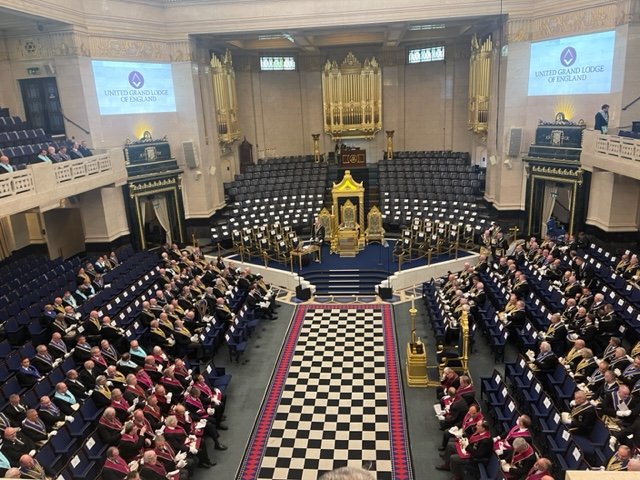
Communities become stronger when people are encouraged to support one another. Consequently, charitable organizations and volunteer groups have an important role in addressing challenges that affect society. Freemason charity
Additionally, cooperation between different individuals and groups allows more effective solutions to be developed. When resources, knowledge, and compassion are combined, greater progress can be achieved. Freemason charity
For this reason, a Freemason charity represents more than financial assistance. It represents dedication, service, and a commitment to making a difference. Freemason charity
The Role of Giving in Building a Better Future
Giving has always been an important part of humanitarian progress. Through charitable contributions, opportunities can be created for people who need additional support.
Furthermore, charitable programs can encourage a culture of kindness and responsibility. By participating in these efforts, individuals can help promote a society where assistance and compassion are valued.
Every donation, volunteer effort, and act of kindness can contribute to meaningful improvement. Therefore, charitable involvement continues to remain a powerful way to support communities worldwide.
Who Can Benefit From Freemason Charity Programs?

Charitable support can be directed toward a wide range of individuals and groups. Depending on community requirements, assistance may be provided to:
- Families requiring additional support
- Students seeking educational opportunities
- Individuals affected by emergencies
- Community organizations needing resources
- Local development projects
Because each situation is different, charitable programs are often designed with flexibility to ensure that support is provided effectively.
Choosing a Trusted Charity Organization
When selecting a charitable organization, transparency, accountability, and community impact should always be considered. A reliable charity should demonstrate responsible use of resources and a clear commitment to helping others.
Moreover, effective organizations are often recognized by their consistent involvement, ethical practices, and dedication to improving lives.
By supporting responsible charitable initiatives, greater confidence can be developed that contributions are being used for meaningful purposes.
Frequently Asked Questions About Freemason Charity
What is a Freemason charity?
A Freemason charity refers to charitable activities and initiatives connected with Freemasonry that are focused on helping communities, supporting humanitarian causes, and encouraging service to others.
How does a Freemason charity help people?
Support may be provided through donations, volunteer work, educational assistance, community projects, and other humanitarian activities designed to address social needs.
Can anyone support charitable initiatives?
Yes. Many charitable activities can be supported through donations, volunteering, awareness, or participation in community programs.
Why is charity important?
Charity helps address challenges faced by individuals and communities while encouraging compassion, cooperation, and positive social development.
Conclusion: Building Stronger Communities Through Service
A Freemason charity represents the importance of generosity, unity, and responsibility toward others. Through continued charitable efforts, communities can be supported, opportunities can be created, and positive change can be encouraged. Freemason charity
Ultimately, the value of charity is demonstrated through the lives that are improved and the connections that are strengthened. By supporting meaningful causes, a better and more compassionate future can be developed for everyone. Freemason charity
Practical Use Scenario: How Organized Community Giving Creates Meaningful Change
Introduction: Turning Compassion Into Action
Communities around the world face different challenges that require cooperation, generosity, and practical solutions. When individuals come together with a shared commitment to helping others, meaningful improvements can be achieved. Through organized giving, volunteer participation, and humanitarian projects, essential support can be delivered to people who need it most.
A community-focused approach allows assistance to be provided in areas such as education, healthcare, emergency response, family support, and local development. Furthermore, these efforts are not only designed to solve immediate problems but also to create stronger foundations for future growth.
In many situations, support systems are created where resources are collected, managed responsibly, and directed toward important causes. As a result, individuals experiencing difficulties can receive encouragement, resources, and opportunities that help improve their circumstances.
Scenario 1: Supporting a Family Facing Financial Hardship
A common situation where community support becomes valuable involves families experiencing unexpected financial difficulties. Job loss, medical expenses, emergencies, or rising living costs can place significant pressure on households.
For example, a family with children may suddenly struggle to afford basic necessities after a major life event. Without additional assistance, challenges such as food insecurity, education costs, or housing concerns may become overwhelming.
Through organized community assistance, essential resources can be provided. Food supplies, financial support, clothing, and educational materials can be distributed to help the family manage difficult circumstances.
However, meaningful support goes beyond short-term solutions. Guidance, encouragement, and connections with additional resources can also be offered. This approach helps families regain stability while maintaining independence and confidence.
Additionally, community involvement creates awareness that people facing hardship do not have to overcome challenges alone. A supportive environment can encourage recovery and provide hope during difficult periods.
Scenario 2: Improving Educational Opportunities for Students
Education is one of the most powerful tools for creating future opportunities. However, some students face barriers that prevent them from reaching their full potential. Freemason charity
A practical example involves students from low-income households who may lack textbooks, school supplies, internet access, or financial support needed for their studies.
Through educational assistance programs, these challenges can be reduced. Learning materials, scholarships, mentoring opportunities, and career guidance can be provided to encourage academic success. Freemason charity
Furthermore, students can be introduced to positive role models who inspire discipline, creativity, and personal development. This support can influence their future decisions and encourage them to pursue higher goals. Freemason charity
Over time, educational investment creates benefits that extend beyond individual students. Young people who receive support may later contribute their knowledge and skills back to their communities.
Therefore, helping students succeed represents an investment in future generations and long-term social development. Freemason charity
Scenario 3: Providing Assistance During Emergencies
Natural disasters and unexpected emergencies can affect entire communities within a short period. During these situations, immediate assistance becomes extremely important.
For instance, after severe flooding, families may lose personal belongings, access to food, or safe living conditions. Recovery can become challenging without external support.
Emergency response initiatives can help by providing essential supplies such as food packages, clothing, temporary shelter assistance, and medical resources.
Moreover, volunteers can participate in cleanup activities, rebuilding efforts, and recovery programs. These actions allow affected individuals to return to normal life more quickly.
In addition, emotional support can be equally important. People recovering from difficult experiences often need encouragement and reassurance as they rebuild their lives.
Through coordinated action, communities can become stronger and more prepared to face future emergencies.
Scenario 4: Supporting Healthcare and Wellness Programs
Access to healthcare remains an important concern for many individuals. Financial limitations, limited resources, or lack of information can prevent people from receiving necessary care. Freemason charity
A community wellness initiative can help address these challenges through medical assistance programs, health awareness campaigns, and support services.
For example, elderly individuals who require regular medical attention may receive assistance with transportation, appointments, or access to essential resources. Freemason charity
Similarly, health education programs can help people understand prevention methods, healthy habits, and available services.
Furthermore, partnerships with healthcare professionals can increase the effectiveness of these programs. When knowledge, resources, and community involvement are combined, better health outcomes can be achieved. Freemason charity
These efforts demonstrate how collective responsibility can improve quality of life and promote healthier communities.
Scenario 5: Helping Local Development Projects
Community improvement often requires cooperation between residents, organizations, and volunteers. Development projects can create safer, cleaner, and more connected environments.
For example, a neighborhood may identify the need for improved public spaces, better facilities, or environmental restoration.
Through organized participation, projects such as community gardens, facility improvements, cleanup campaigns, and public area renovations can be completed.
These activities provide practical improvements while also strengthening relationships among residents.
Furthermore, involvement in local projects encourages people to take responsibility for their surroundings. When individuals actively participate in improvement efforts, stronger connections and greater community pride can develop. Freemason charity
As a result, local development becomes more than physical improvement; it becomes a process of building unity and cooperation. Freemason charity
Scenario 6: Assisting Elderly and Vulnerable Individuals
Some members of society require additional care and attention due to age, disability, or personal circumstances.
A practical example involves elderly individuals living alone who may need help with transportation, household tasks, or social interaction.
Community volunteers can provide valuable assistance by visiting these individuals, helping with daily activities, and offering companionship.
Beyond practical support, regular interaction can reduce isolation and improve emotional wellbeing.
Similarly, individuals facing different personal challenges can benefit from programs designed to promote inclusion and equal opportunities.
By ensuring that vulnerable groups receive attention and support, communities become more welcoming and compassionate environments.
Scenario 7: Encouraging Volunteerism and Personal Growth
Volunteer participation creates benefits for both communities and individuals. People who dedicate their time and skills can contribute to important projects while developing personal abilities.
For example, a skilled professional may volunteer expertise to support a community initiative. A student may participate in outreach activities to gain experience and develop leadership skills.
Through volunteering, valuable knowledge and resources can be shared.
Additionally, volunteers often develop stronger communication abilities, teamwork skills, and a deeper understanding of social challenges.
This creates a cycle where individuals become more engaged and communities become better equipped to solve problems.
Scenario 8: Building Trust Through Responsible Resource Management
Successful community programs depend on trust. Supporters want confidence that resources are being used effectively and responsibly.
For this reason, transparency and accountability are important parts of any charitable initiative.
For example, when donations are collected for a specific project, clear information about progress, results, and resource distribution can strengthen confidence among contributors.
Furthermore, responsible management encourages continued participation and long-term support.
When people understand the positive impact created through their contributions, they are more likely to remain involved in future initiatives.
Scenario 9: Creating Long-Term Community Benefits
Immediate assistance is valuable, but sustainable solutions often create the greatest impact.
Instead of only addressing short-term challenges, long-term programs focus on helping individuals develop skills and opportunities for independence.
For example, vocational training programs can help unemployed individuals gain new abilities and improve their employment prospects.
Similarly, mentorship programs can guide young people toward successful careers and personal development.
Through these approaches, communities become more resilient and better prepared for future challenges.
Long-term support creates lasting improvements that continue benefiting people for years.
Conclusion: The Power of Collective Responsibility
Real-world community support demonstrates how cooperation, generosity, and service can transform lives. Whether assistance is provided through education, healthcare, emergency response, or development projects, every action can contribute to meaningful progress.
Strong communities are created when individuals recognize the importance of helping one another. Through responsible involvement and continued commitment, opportunities can be created, challenges can be overcome, and positive change can be achieved.
Ultimately, the greatest impact is measured not only by the resources provided but also by the hope, connection, and opportunities created for people and communities.
Frequently Asked Questions About Community Giving, Service, and Humanitarian Support
What is the purpose of organized charitable service?
Organized charitable service is created to provide meaningful assistance to individuals, families, and communities facing different challenges. The main purpose is to encourage compassion, responsibility, and cooperation by directing resources toward important social needs.
Through structured programs, support can be provided in areas such as education, healthcare, emergency relief, and community development. Furthermore, these efforts are designed not only to provide immediate help but also to create long-term improvements.
By bringing people together around shared values, charitable activities can strengthen relationships and encourage a culture where helping others becomes an important part of community life.
How do charitable programs help people in need?
Support programs can assist people in many different ways depending on their specific circumstances. Some individuals may require help with basic necessities, while others may need educational opportunities, healthcare support, or guidance during difficult periods.
For example, families experiencing financial challenges may receive essential supplies or temporary assistance. Students may be supported with learning materials, while vulnerable individuals may receive care and encouragement.
Additionally, assistance can be provided through volunteer work, fundraising activities, and community projects. These combined efforts allow resources to reach people who may otherwise struggle to access necessary support.
Who can benefit from these community support initiatives?
A wide range of individuals and groups can benefit from organized community assistance. Support may be provided to families, students, elderly individuals, people affected by emergencies, and communities requiring development assistance.
For example, students may benefit from educational resources that improve their learning opportunities. Elderly individuals may receive companionship and practical assistance. Families experiencing hardship may receive support that helps them overcome temporary difficulties.
Because every community has different needs, programs are often designed to address specific challenges while ensuring that assistance is delivered effectively and respectfully.
Why is helping others important for society?
Helping others contributes to stronger, healthier, and more connected communities. When individuals support one another, social challenges can be addressed more effectively.
Furthermore, acts of generosity encourage cooperation and create positive relationships between people from different backgrounds. Communities become more resilient because individuals understand that support is available during difficult situations.
In addition, charitable involvement encourages important values such as kindness, responsibility, and empathy. These values can influence future generations and contribute to a more supportive society.
How are resources usually collected and distributed?
Resources can be collected through donations, fundraising activities, volunteer contributions, and partnerships with organizations or individuals.
After resources are collected, they are usually directed toward specific projects or community needs. For example, educational resources may be provided to students, while emergency supplies may be distributed after disasters.
Responsible management is important because transparency helps maintain trust. When supporters understand how resources are being used, confidence in the program can be strengthened.
Can individuals participate even without making financial donations?
Yes. Financial contributions are only one way to support community initiatives. Individuals can also participate by volunteering time, sharing skills, providing professional expertise, or helping spread awareness.
For example, someone with teaching experience may assist students, while another person may help organize community activities.
Moreover, small contributions of time and effort can create significant results when many people participate together. Every form of involvement can play an important role in creating positive outcomes.
How do volunteers contribute to community improvement?
Volunteers provide valuable support by offering their time, skills, and energy to important projects. Their involvement allows programs to operate more effectively and reach more people.
For instance, volunteers may assist with educational programs, community cleanups, emergency response activities, or support services for vulnerable individuals.
Additionally, volunteering allows participants to develop new skills, build relationships, and gain a deeper understanding of social challenges.
Through volunteer involvement, communities become more active, connected, and capable of creating solutions.
What types of projects can be supported?
Many different types of projects can receive support depending on community needs. Common examples include educational assistance, healthcare programs, disaster response, environmental improvement, and support for vulnerable groups.
Educational projects may provide learning materials or mentoring opportunities. Healthcare projects may focus on awareness, access to services, or wellness programs.
Community development projects may involve improving public spaces, supporting local facilities, or creating opportunities for residents to work together.
The goal is to address important needs while creating lasting benefits.
How does education benefit from charitable support?
Educational support can create opportunities for students who may face barriers to success. Access to learning materials, mentorship, and financial assistance can improve academic performance and encourage personal development. Freemason charity
For example, students who receive school supplies or learning resources may experience fewer obstacles in their studies. Freemason charity
Furthermore, educational programs can help young people develop confidence, leadership abilities, and professional skills. These benefits can influence their future careers and allow them to contribute positively to society. Freemason charity
How can communities respond during emergencies?
During emergencies, organized support can provide essential assistance quickly and effectively. Natural disasters, accidents, or unexpected events can create urgent needs that require immediate attention.
Support may include food distribution, temporary housing assistance, medical resources, and recovery services.
Additionally, volunteers can assist with rebuilding efforts and provide emotional encouragement to affected individuals.
Through preparation, cooperation, and responsible action, communities can recover faster and become stronger after difficult situations.
Why is transparency important in charitable activities?
Transparency helps build trust between supporters, organizations, and communities. People want confidence that resources are being managed responsibly and used for their intended purposes. Freemason charity
Clear communication about projects, achievements, and resource distribution allows supporters to understand the impact created. Freemason charity
Furthermore, transparency encourages continued participation because individuals are more likely to contribute when they see positive results.
Responsible management ensures that assistance can continue reaching those who need it most.
How can long-term change be created through community support?
Long-term change is created when assistance focuses on sustainable solutions rather than only temporary relief. Freemason charity
For example, providing skills training, educational opportunities, and career guidance can help individuals become more independent in the future. Freemason charity
Similarly, community development projects can create improvements that continue benefiting residents over time.
By focusing on empowerment and growth, charitable programs can create lasting positive effects that extend beyond immediate assistance. Freemason charity
What values are encouraged through charitable involvement?
Charitable involvement encourages values such as compassion, generosity, responsibility, cooperation, and respect for others.
These values help create stronger relationships between individuals and promote a culture of mutual support.
Furthermore, participation in service activities allows people to understand different experiences and challenges within society.
By practicing these values, communities can become more inclusive and supportive environments.
How do charitable initiatives strengthen communities?
Communities become stronger when people work together toward common goals. Support initiatives create opportunities for individuals to cooperate, solve problems, and develop meaningful connections. Freemason charity
For example, community projects allow residents to collaborate while improving their surroundings.
Additionally, helping others creates trust and encourages more people to participate in future activities. Freemason charity
Over time, these connections create communities that are better prepared to face challenges and support their members.
Can businesses and organizations participate in community support?
Yes. Businesses and organizations can contribute through donations, partnerships, employee volunteering, and resource sharing.
Corporate involvement can provide additional support and increase the reach of important projects.
Furthermore, partnerships between different groups can combine resources and expertise to achieve greater results.
When businesses and communities cooperate, solutions can be developed more effectively.
What is the lasting impact of charitable service?
The lasting impact of charitable service can be seen through improved lives, stronger communities, and increased opportunities.
Although individual acts of support may appear small, combined efforts can create significant change.
People who receive assistance may gain confidence, stability, and new opportunities. Communities may become more connected and capable of addressing future challenges.
Ultimately, service creates a positive cycle where support encourages further cooperation, generosity, and meaningful progress.
