
Uncategorized
Join Illuminati California

Illuminati Temple Californoia
Many people believe there are hidden temples, secret headquarters, or underground facilities in California connected to the Illuminati—a powerful and mysterious organization often portrayed as controlling world events and the are unable to visit the temple. However, separating fact from fiction is essential when exploring this topic. Join Illuminati California
This comprehensive SEO description will explore the origins of the Illuminati, why California is frequently linked to alleged “temples,” the role of Hollywood and symbolism, and the truth behind these claims. Join Illuminati California. By the end, you will have a clear understanding of what is real, what is myth, and why the idea of an Illuminati temple in California continues to fascinate millions. Join Illuminati California
What Is the Illuminati? Origins and Historical Background

To understand the concept of an Illuminati temple in California, we must begin with the real historical roots of the Illuminati.
The term “Illuminati” refers most famously to the Bavarian Illuminati, a secret society founded in 1776 by Adam Weishaupt in Bavaria, Germany. The group aimed to promote Enlightenment ideals such as reason, secularism, and opposition to superstition and authoritarian control. Join Illuminati California
The organization was structured similarly to secret societies like Freemasonry, using coded communication, hierarchical ranks, and hidden identities. Most famous people in the organization are seems to hide their membership identity due to privacy and personality. Join Illuminati California
Despite its brief existence, the Illuminati became the subject of centuries of speculation. Over time, conspiracy theories transformed it from a small Enlightenment-era society into a global shadow organization supposedly controlling governments, media, and finance. And joining the ILLUMINTI Official Organization brings you close to limelight which you will be very rich and famous. Join Illuminati California
The Rise of Illuminati Conspiracy Theories

The idea of the Illuminati evolved significantly after its dissolution. Writers and theorists in the 18th and 19th centuries began linking the group to major historical events such as revolutions and political upheaval. Join Illuminati California
In modern times, the Illuminati is often described as:
- A secret elite controlling world governments
- A hidden network influencing media and culture
- A shadow organization aiming to establish a “New World Order”.
Why California Is Associated with the Illuminati
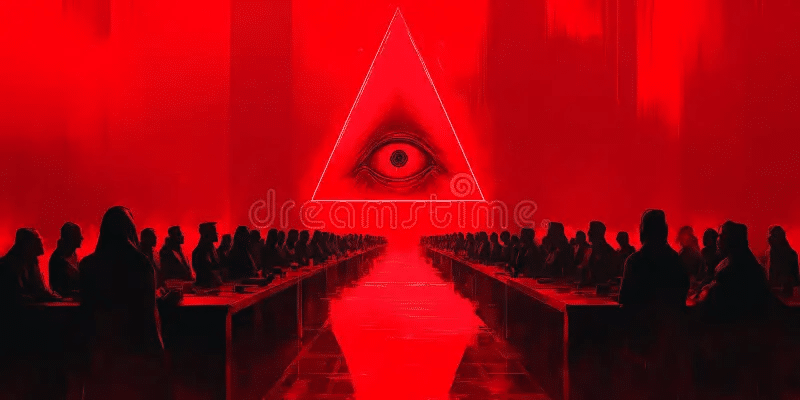
California, particularly cities like Los Angeles and regions like Hollywood, is often linked to the Illuminati in conspiracy theories. But why?
1. Entertainment Industry Influence
Hollywood is one of the most powerful cultural hubs in the world. Movies, music, and television produced here reach billions of people globally. Because of this influence, some theorists claim that hidden elites use Hollywood to shape public opinion. Join Illuminati California
Symbols such as:
- The “all-seeing eye”
- Pyramids
- Occult imagery
are sometimes interpreted as Illuminati signs embedded in media content.
2. Wealth and Power Concentration
California is home to:
- Major tech companies in Silicon Valley
- Billionaires and influential figures
- Political and cultural leaders
This concentration of power fuels speculation that secret groups operate behind the scenes. Join Illuminati California
3. Architecture and Symbolism
Certain buildings in California have unusual or futuristic designs. Join Illuminati California. Some conspiracy theorists interpret these as “Illuminati temples” or symbolic structures. Join Illuminati California
For example, corporate headquarters, research facilities, or even modern art installations are sometimes labeled as secret society locations—despite having no actual connection.
California Landmarks Often Linked to Illuminati Theories
Several places in California are frequently mentioned in conspiracy discussions. Join Illuminati California
1. Hollywood Hills
The Hollywood Hills are often associated with secret gatherings and elite influence due to their exclusivity and celebrity presence. Join Illuminati California
2. Tech Campuses
Large tech campuses in Silicon Valley are sometimes described as “modern temples of power,” though this is metaphorical rather than literal. Join Illuminati California
3. Unique Architectural Structures
Buildings with geometric or symbolic designs are often misinterpreted as having occult significance. Join Illuminati California
The Psychology Behind Illuminati Beliefs
Why do people believe in Illuminati temples in California?
1. Desire for Explanation
Complex global events can be difficult to understand. Conspiracy theories provide simple explanations by attributing everything to a single hidden group. Join Illuminati California
2. Fascination with Secrecy
Humans are naturally drawn to mystery and hidden knowledge. Join Illuminati California
3. Pattern Recognition
People tend to find patterns—even where none exist—leading to interpretations of symbols as evidence of secret activity. Join Illuminati California
Conclusion
The search for an “Illuminati temple California” reflects humanity’s fascination with secrecy, power, and the unknown. While the concept is popular in media and online discussions, it remains a myth rather than a documented reality. official illuminati
Understanding the difference between historical fact and modern conspiracy theory allows for a more informed and rational perspective. California may be a hub of influence and creativity, but it is not home to hidden Illuminati temples controlling the world. To know more and if you are interested in knowing more and to visit any of the Illuminati Temple in California. illuminati organisation.
The man stood at approximately six feet tall with a lean, well-maintained physique that suggested discipline rather than brute strength. His posture was impeccable, with shoulders held straight and movements measured and deliberate, giving the impression that every action was carefully calculated.
His face was sharply defined, featuring high cheekbones, a strong jawline, and a calm, unreadable expression. His eyes were perhaps his most striking feature—deep, observant, and unsettlingly focused, as though constantly analyzing the people and events around him. Their gaze carried an unusual intensity that made others feel both noticed and scrutinized.
His skin was smooth and well cared for, reflecting a lifestyle of privilege and access to the finest resources. Dark hair, neatly styled and untouched by disorder, framed his face. Even in casual settings, he appeared meticulously groomed, projecting authority without needing to speak.
His hands were slender yet strong, often clasped behind his back or resting calmly on a table. A subtle ring bearing an intricate geometric symbol adorned one finger, hinting at affiliations known only to a select few. His clothing favored tailored suits in dark shades—black, charcoal, or navy—crafted from expensive fabrics that emphasized elegance and discretion rather than flashy wealth.
A faint air of mystery surrounded him. He moved quietly, spoke with confidence, and rarely revealed emotion. People often found it difficult to determine what he was thinking, which only enhanced his aura of influence and secrecy. His presence commanded respect not through intimidation, but through an unspoken sense of knowledge, power, and control.
Those who met him often described him as someone who seemed connected to forces larger than himself—as if he possessed access to information, networks, and opportunities hidden from ordinary society. Whether this perception was reality or merely the product of his carefully cultivated image remained impossible to know.
What Is the Illuminati?
The Illuminati is the name most commonly associated with a secret society that has become one of the world’s most famous and controversial subjects. Historically, the Illuminati refers to the Bavarian Illuminati, a group founded on May 1, 1776, by Adam Weishaupt, a professor of law in Bavaria, which is now part of Germany. The organization was created during the Age of Enlightenment and aimed to promote reason, secularism, intellectual freedom, and resistance to religious and political oppression.
The original Illuminati sought to challenge superstition, abuse of power, and authoritarian control. Members included intellectuals, academics, and influential individuals who believed society could be improved through education and rational thinking. However, the group attracted suspicion from authorities and was officially banned by the Bavarian government in the late 1780s, leading to its dissolution.
Despite its relatively short existence, the Illuminati became the subject of numerous myths, legends, and conspiracy theories. Over time, many people began to believe that the organization survived in secret and continued to influence world events from behind the scenes. According to these theories, the Illuminati is said to control governments, financial institutions, media organizations, and major global events. However, there is no credible evidence supporting claims that a modern Illuminati secretly governs world affairs.
Popular culture has played a significant role in spreading the mystery surrounding the Illuminati. Books, movies, television shows, music videos, and internet discussions often portray the group as a powerful hidden network manipulating global events. Symbols such as the “All-Seeing Eye,” pyramids, and certain hand gestures are frequently associated with the Illuminati, although many of these connections are based on speculation rather than historical fact.
Today, the Illuminati exists largely as a cultural phenomenon and a subject of fascination. While historians recognize the Bavarian Illuminati as a real historical organization, most modern claims about its worldwide influence remain unproven. The concept continues to capture public imagination because it combines themes of secrecy, power, mystery, and hidden knowledge.
In conclusion, the Illuminati began as an Enlightenment-era secret society dedicated to intellectual and social reform. Although it was dissolved centuries ago, its legacy has evolved into one of the most enduring conspiracy theories and cultural mysteries in modern history.
The Illuminati symbol is most commonly represented by a single eye enclosed within a triangle, often referred to as the “Eye of Providence” or the “All-Seeing Eye.” The eye is typically depicted as open and alert, symbolizing awareness, knowledge, vigilance, and the ability to perceive truths that remain hidden from ordinary observation. The triangle surrounding the eye is often interpreted as a symbol of strength, balance, unity, and enlightenment. In many artistic depictions, rays of light radiate outward from the triangle, representing wisdom, divine guidance, spiritual illumination, and the spreading of knowledge.
The eye itself serves as the focal point of the symbol. Its gaze suggests constant observation and understanding, leading many people to associate it with intelligence, insight, and higher consciousness. Historically, the Eye of Providence predates the Bavarian Illuminati and has been used in religious and artistic contexts to symbolize divine oversight and protection. However, in modern popular culture, it has become strongly associated with the concept of the Illuminati, a secret society that has been surrounded by myths, speculation, and conspiracy theories.
The triangle adds another layer of symbolism. Its three sides are often interpreted as representing harmony between mind, body, and spirit, or knowledge, power, and wisdom. The geometric precision of the triangle also conveys order, structure, and stability. When combined with the eye, the image creates a powerful visual representation of watchfulness and enlightenment.
Many versions of the symbol include a pyramid beneath the eye. The pyramid is often shown unfinished, symbolizing growth, progress, and the continuous pursuit of higher understanding. The eye positioned above the pyramid is interpreted as overseeing or guiding this development. This imagery gained widespread recognition through its appearance on the reverse side of the Great Seal of the United States and later on the one-dollar bill.
Today, the Illuminati symbol occupies a unique place in popular imagination. For some, it represents knowledge, enlightenment, and awareness. For others, it has become a symbol linked to theories about hidden power structures and secret organizations. Regardless of interpretation, the image remains one of the most recognizable and discussed symbols in modern culture due to its mysterious appearance and rich historical symbolism.
Who Are the Illuminati?
The Illuminati was originally a secret society founded on May 1, 1776, in Bavaria, a region of present-day Germany. The organization was established by Adam Weishaupt, a professor of law who sought to promote Enlightenment ideals such as reason, secularism, education, and freedom of thought. The group aimed to challenge superstition, religious influence in government, and abuses of political power.
The original Bavarian Illuminati recruited intellectuals, academics, and influential individuals who supported its goals. Members operated in secrecy, using symbols, pseudonyms, and hidden communication methods to protect their identities and activities. The organization grew rapidly but was eventually banned by the Bavarian government in the 1780s, leading to its dissolution.
Over time, the Illuminati became the subject of numerous conspiracy theories. Many people began to believe that the group survived in secret and continued to influence world events. According to these theories, Illuminati members include powerful politicians, business leaders, celebrities, bankers, and influential figures who allegedly work together to control governments, economies, media organizations, and global institutions. However, there is no credible evidence supporting these claims.
Modern discussions about the Illuminati often blend historical facts with speculation and popular culture. Books, movies, television programs, and social media have contributed to the group’s mysterious reputation. Symbols such as the “all-seeing eye” and pyramids are frequently associated with the Illuminati, although these symbols have historical meanings unrelated to the original organization.
Historians generally agree that the original Bavarian Illuminati existed for only a relatively short period in the late eighteenth century. Claims about a modern, all-powerful Illuminati controlling world affairs remain unproven and are widely regarded as conspiracy theories rather than established facts. Nevertheless, the idea of the Illuminati continues to fascinate people because it reflects concerns about power, secrecy, and influence within society.
In conclusion, the Illuminati began as an Enlightenment-era secret society dedicated to intellectual and political reform. While the historical organization was dissolved centuries ago, its name has endured through myths, conspiracy theories, and popular culture, making it one of the most discussed secret societies in history.
Illuminati Grand Lodge is a fraternal and educational organization dedicated to personal growth, leadership development, intellectual exploration, and community engagement. The Lodge serves as a meeting place for individuals who value knowledge, ethical conduct, self-improvement, and lifelong learning.
Through discussions, mentorship programs, educational initiatives, and collaborative projects, members are encouraged to expand their understanding of philosophy, history, leadership, and social responsibility. The organization promotes principles of integrity, wisdom, unity, and respect while fostering a supportive environment where diverse perspectives can be exchanged constructively.
The Grand Lodge seeks to inspire individuals to achieve personal excellence and contribute positively to society. By emphasizing education, character development, and community service, the organization aims to cultivate responsible leaders who can make meaningful impacts within their communities and beyond.
Members of Illuminati Grand Lodge are united by a shared commitment to enlightenment through knowledge, critical thinking, ethical decision-making, and mutual support. The Lodge encourages continuous learning and cooperation while upholding values that promote personal achievement, social progress, and collective advancement.
The Illuminati is often depicted as a secretive and influential organization surrounded by mystery, symbolism, and speculation. In popular culture, it is portrayed as an elite group operating behind the scenes of society, composed of powerful individuals from politics, finance, academia, and entertainment. Members are frequently associated with symbols such as the all-seeing eye, pyramids, and hidden signs that supposedly represent knowledge, control, and enlightenment.
Historically, the Illuminati originated as the Bavarian Illuminati, a real secret society founded in 1776 by Adam Weishaupt in Bavaria, Germany. The organization promoted reason, secularism, education, and resistance to superstition and authoritarian influence. Although the group was relatively small and was eventually suppressed by authorities, its name endured and became the subject of countless theories and legends.
Over time, the term “Illuminati” evolved beyond its historical origins and entered popular imagination as a symbol of hidden power. Modern depictions often describe the Illuminati as a shadowy network capable of influencing governments, economies, media organizations, and global events. However, there is no credible evidence supporting claims that such a worldwide secret organization controls world affairs.
illuminati official site
Welcome to the Illuminati
For centuries, the Illuminati has been associated with the pursuit of knowledge, enlightenment, and the advancement of human potential. Our platform serves as a gateway for individuals seeking intellectual growth, personal development, and a deeper understanding of the world around them.
The Illuminati represents a commitment to wisdom, critical thinking, and the exploration of ideas that inspire progress. Through education, collaboration, and continuous learning, we encourage members and visitors to expand their perspectives and embrace opportunities for self-improvement.
Our mission is to foster a global community united by curiosity, innovation, and the desire to create positive change. By promoting leadership, ethical responsibility, and lifelong learning, we aim to empower individuals to contribute meaningfully to society.
Within our community, members gain access to educational resources, thought-provoking discussions, and opportunities to connect with like-minded individuals from diverse backgrounds. We believe that knowledge is most powerful when shared and that collective understanding can help address the challenges of an evolving world.
Whether you are exploring new ideas, seeking personal growth, or looking to connect with a network of ambitious thinkers, the Illuminati welcomes those who value wisdom, integrity, and progress.
Join us on a journey toward enlightenment, discovery, and the pursuit of excellence.
The Illuminati Talisman is depicted as a circular medallion forged from aged gold-toned metal, measuring approximately three inches in diameter. At its center rests the iconic All-Seeing Eye, enclosed within a radiant triangle whose sharp lines symbolize awareness, perception, and enlightenment. Surrounding the triangle are intricate geometric engravings, including concentric circles, celestial markings, and finely etched rays that extend outward like beams of hidden knowledge.
The outer ring of the talisman is adorned with ornate symbols inspired by alchemy, sacred geometry, and ancient mystery traditions. Delicate patterns intertwine around the circumference, creating a sense of complexity and secrecy. The surface appears weathered by time, giving the impression that the object has passed through generations of guardians and scholars.
Viewed closely, the talisman reveals layers of craftsmanship: raised metallic details, engraved runic motifs, and subtle text encircling the edge. The combination of symmetry, mathematical precision, and symbolic imagery conveys themes of wisdom, observation, power, and the pursuit of hidden truths. When illuminated by light, the polished sections contrast with the darker recessed engravings, producing an aura of depth and mystery.
In artistic and fictional interpretations, the talisman is often portrayed as a ceremonial object associated with secret knowledge, intellectual awakening, and the search for understanding beyond ordinary perception. Its design emphasizes symbolism rather than supernatural function, making it a powerful visual representation of curiosity, insight, and esoteric tradition.
The Illuminati originated in Bavaria, a region of present-day Germany, on May 1, 1776. The organization was founded by Adam Weishaupt, a professor of canon law at the University of Ingolstadt. Weishaupt established the group during the Age of Enlightenment, a period in European history characterized by a growing emphasis on reason, scientific inquiry, individual liberty, and skepticism toward traditional authority.
The original Illuminati, officially known as the Bavarian Illuminati, was created as a secret society with the goal of promoting Enlightenment ideals and encouraging intellectual and moral improvement among its members. Weishaupt believed that many institutions of his time, including political governments and religious authorities, exercised excessive control over society. He envisioned an organization that would help educated individuals pursue knowledge, critical thinking, and reform while operating discreetly to avoid persecution.
Membership in the Bavarian Illuminati consisted mainly of intellectuals, academics, government officials, and professionals. The society adopted a hierarchical structure with secret ranks, symbols, and coded communications. Members were expected to support rational thought, oppose superstition, and work toward a more enlightened society. The group expanded rapidly across parts of Germany and attracted several influential individuals during its brief existence.
Despite its growth, the Bavarian government became suspicious of secret societies and viewed them as potential threats to political stability. Between 1784 and 1785, authorities issued decrees banning the Illuminati and similar organizations. Government investigations led to the confiscation of documents and the exposure of many members. As a result, the Bavarian Illuminati was effectively dissolved less than a decade after its founding.
Although the historical Illuminati ceased to exist in the late eighteenth century, its reputation continued to grow. Over time, the organization became the subject of numerous myths, conspiracy theories, and popular culture references. Many modern theories claim that the Illuminati secretly controls world governments, financial institutions, or major global events. However, historians have found no credible evidence that the original Bavarian Illuminati survived its suppression or evolved into a hidden organization controlling world affairs.
Today, the Illuminati remains one of the most widely discussed secret societies in history. Its transformation from a small Enlightenment-era organization into a global symbol of mystery and conspiracy demonstrates how historical events can evolve into enduring legends through speculation, literature, media, and popular culture.
The Illuminati is a name commonly associated with mystery, secrecy, and conspiracy theories. Historically, the Illuminati refers to the Bavarian Illuminati, a secret society founded in 1776 by Adam Weishaupt, a professor of law in Bavaria, Germany. The organization’s original goal was to promote Enlightenment ideals such as reason, education, secularism, and opposition to superstition and abuse of power. Adam Weishaupt was the founder and principal leader of the historical Illuminati, guiding its activities until the group was suppressed by the Bavarian government in the late eighteenth century.
In modern times, the term “Illuminati” is frequently used in popular culture and conspiracy theories to describe an alleged secret organization that supposedly controls world events, governments, financial systems, entertainment industries, and other major institutions. According to these theories, the organization is said to have powerful leaders operating behind the scenes. However, there is no credible evidence that such a modern organization exists, nor is there verified information identifying any actual leaders.
Many conspiracy theories have falsely linked famous politicians, business leaders, entertainers, and influential public figures to the Illuminati. These claims are generally based on speculation, symbolism, rumors, or misunderstandings rather than documented facts. As a result, no reliable list of modern Illuminati leaders can be provided because the existence of such leadership has never been proven.
Therefore, when discussing the leaders of the Illuminati, the only historically documented leader is Adam Weishaupt of the original Bavarian Illuminati. Claims regarding contemporary Illuminati leaders remain unverified and are regarded by historians and researchers as part of conspiracy theory narratives rather than established fact.
Is the Illuminati Evil?
The question of whether the Illuminati is evil has been debated for centuries and is often influenced by myths, conspiracy theories, and historical facts. The original Illuminati was a secret society founded in Bavaria, Germany, in 1776 by Adam Weishaupt. Its stated goal was to promote reason, education, and enlightenment ideals while opposing superstition, religious influence in politics, and abuses of power. Historically, there is little evidence that the original Illuminati engaged in evil activities, and the organization was officially banned and dissolved within a few years of its creation.
However, over time, the Illuminati became the subject of numerous conspiracy theories. Many people believe that a modern version of the Illuminati secretly controls governments, banks, media organizations, and world events. These theories often portray the group as manipulating society for power, wealth, or global domination. Some claims even associate the Illuminati with immoral practices, secret rituals, and efforts to influence political and economic systems. Despite the popularity of these stories, credible evidence supporting such claims is lacking.
Whether the Illuminati is considered evil depends largely on one’s perspective and beliefs. From a historical standpoint, the original organization was not established as an evil group but as a society promoting intellectual and political reform. From the perspective of conspiracy theories, the Illuminati is often depicted as a powerful and harmful force working behind the scenes. Since many of these allegations cannot be verified, it is important to distinguish between documented history and speculation.
In conclusion, there is no proven evidence that the historical Illuminati was evil. Most modern claims about the Illuminati come from conspiracy theories rather than verified facts. Understanding the difference between historical records and popular myths is essential when evaluating whether the Illuminati should be viewed as a dangerous organization or simply as a fascinating part of history and modern folklore.
How Do I Become an Illuminati Member?
The term “Illuminati” is commonly associated with mystery, secrecy, influence, and hidden knowledge. Historically, the Illuminati referred to a group known as the Bavarian Illuminati, founded in 1776 in Germany. The organization no longer exists in its original form. In modern times, many websites, social media accounts, and individuals claim to represent the Illuminati, but there is no reliable evidence that a global secret organization is actively recruiting members.
People interested in becoming part of the “Illuminati” are often seeking personal growth, knowledge, success, leadership, financial achievement, or a deeper understanding of society. These goals can be pursued through education, critical thinking, networking, professional development, and lifelong learning rather than through membership in a secret society.
To develop qualities often associated with the idea of the Illuminati, an individual can focus on:
- Expanding knowledge through reading, research, and education.
- Building strong analytical and critical-thinking skills.
- Developing leadership abilities and effective communication.
- Creating meaningful professional and social connections.
- Maintaining discipline, self-improvement, and personal responsibility.
- Understanding history, politics, economics, science, and philosophy from credible sources.
Many online invitations claiming guaranteed access to the Illuminati are often scams designed to obtain money or personal information. It is important to verify claims carefully and avoid sharing sensitive information with unverified groups.
Ultimately, the most practical path toward influence, success, and knowledge is through continuous learning, ethical behavior, and dedication to personal and professional growth.
The Illuminati: Facts, History, and Popular Myths
The Illuminati was a real historical organization founded on May 1, 1776, in Bavaria (now part of Germany) by Adam Weishaupt, a professor of law. The group’s official name was the Bavarian Illuminati. It was created during the Age of Enlightenment, a period when many intellectuals promoted reason, science, education, and freedom of thought. The organization sought to challenge superstition, religious influence over public life, and abuses of political power.
The Bavarian Illuminati operated as a secret society, similar to several other organizations of its time. Members used symbols, aliases, and private meetings to discuss philosophical and political ideas. The group attracted intellectuals, government officials, and educated citizens who were interested in Enlightenment principles. However, its growth alarmed Bavarian authorities, who viewed secret organizations as a threat to social and political stability.
By the late 1780s, the Bavarian government banned the Illuminati and forced it to disband. Historical evidence indicates that the organization ceased to exist as an active group shortly afterward. Documents recovered from the period provide insight into its structure, membership, and objectives, confirming that it was a real but relatively short-lived organization.
Despite its disappearance, the Illuminati became the subject of numerous rumors and conspiracy theories. Over the centuries, some people claimed that the group survived in secret and continued to influence governments, financial institutions, media organizations, and major world events. These claims became especially popular in books, films, television programs, and online discussions. However, historians and researchers have found no credible evidence that a secret Illuminati organization controls global affairs.
The modern image of the Illuminati is largely shaped by popular culture. The symbol most commonly associated with the Illuminati is the “All-Seeing Eye,” often depicted within a triangle. Although this symbol appears in various historical, religious, and artistic contexts, it is frequently linked to Illuminati myths. The symbol’s appearance on the United States one-dollar bill has contributed to speculation, even though there is no verified historical connection between the Bavarian Illuminati and the design of U.S. currency.
Today, the term “Illuminati” is often used to describe an alleged secret elite group that supposedly controls world events from behind the scenes. Such theories usually lack verifiable evidence and are widely regarded as conspiracy theories rather than established historical facts. Scholars emphasize the importance of distinguishing between the documented history of the Bavarian Illuminati and the fictional or speculative narratives that developed later.
In summary, the Illuminati was a real Enlightenment-era secret society founded in 1776 with philosophical and political goals. It was suppressed and dissolved within a few years. Most modern claims about the Illuminati’s global influence are based on myths, speculation, and popular culture rather than historical evidence.
New World Order (NWO)
The term “New World Order” refers to the idea of a future global system in which political, economic, and social affairs are coordinated on an international scale. Depending on the context, the phrase has been used in two very different ways.
In mainstream political discussions, “New World Order” has historically described periods of major geopolitical change, particularly after significant global events such as the end of major wars or shifts in international power. In this sense, it refers to efforts by nations to establish new frameworks for cooperation, diplomacy, security, trade, and governance.
In popular culture and conspiracy theories, the New World Order is often portrayed as a secretive alliance of powerful political leaders, financial institutions, corporations, or elite groups that allegedly seek to create a centralized global government. According to these theories, such a system would reduce national sovereignty, increase surveillance, control economic resources, and influence public opinion through media and technology. These claims vary widely and generally lack credible evidence accepted by historians, political scientists, or mainstream researchers.
The concept continues to attract public interest because it touches on concerns about globalization, international organizations, technological surveillance, economic inequality, and the concentration of power. As a result, the phrase “New World Order” remains a controversial and highly debated term that can represent either real-world discussions about global governance or speculative theories about hidden control over world affairs.
Body Description: “Illuminati Celebrities” (Conspiracy Theory Perspective)
The term “Illuminati celebrity” is commonly used in conspiracy theories to describe famous entertainers, musicians, actors, athletes, and public figures who are alleged to be connected to a secret elite organization known as the Illuminati. According to these theories, such individuals are believed to possess extraordinary wealth, influence, and access to powerful networks that allegedly help shape global culture, entertainment, politics, and public opinion.
Conspiracy theorists often point to symbolic imagery in music videos, stage performances, fashion, artwork, and social media posts as supposed evidence of Illuminati involvement. Commonly cited symbols include the all-seeing eye, pyramids, hand gestures, geometric patterns, and occult-inspired imagery. Supporters of these theories argue that these symbols are hidden messages or signs of loyalty to a secret society.
In popular culture, alleged “Illuminati celebrities” are often portrayed as charismatic, highly successful, and influential individuals whose fame is believed to have been achieved through secret connections rather than talent, hard work, or business strategy. Some theories further claim that these celebrities participate in exclusive gatherings, rituals, or networks that operate behind the scenes.
However, there is no reliable evidence supporting the claim that a global secret organization controls celebrities or that famous individuals are members of such a group. Most researchers, historians, and journalists regard modern Illuminati celebrity theories as conspiracy narratives fueled by speculation, symbolism, internet rumors, and misunderstandings of artistic expression.
The historical Illuminati was a real organization founded in Bavaria in 1776, but it was dissolved within a few years. Modern claims linking contemporary celebrities to the Illuminati are generally considered unverified and are not supported by credible documentation or factual investigation.
Rosicrucianism: A Detailed Description
Rosicrucianism is a spiritual, philosophical, and mystical tradition that emerged in Europe during the early seventeenth century. It is based on a body of teachings that seek to unite spiritual wisdom, scientific inquiry, and personal transformation. The movement traces its symbolic origins to the legendary figure Christian Rosenkreuz, whose name means “Christian of the Rose Cross.” Although historians debate whether Rosenkreuz was a real person or a symbolic character, he serves as the central archetype of Rosicrucian teachings.
At its core, Rosicrucianism teaches that hidden or esoteric knowledge exists within nature, humanity, and the universe. Rosicrucians believe that individuals can attain greater wisdom and spiritual enlightenment through self-study, meditation, ethical living, and the exploration of mystical principles. The tradition emphasizes the development of both intellectual understanding and inner spiritual awareness.
The symbol of the Rose Cross is central to Rosicrucian philosophy. The cross generally represents the physical world, human experience, and material existence, while the rose symbolizes the unfolding of spiritual consciousness and divine wisdom. Together, these symbols express the union of matter and spirit, illustrating the journey of personal transformation and enlightenment.
Rosicrucian teachings incorporate elements from various traditions, including Hermeticism, Neoplatonism, Christian mysticism, alchemy, Kabbalah, and ancient mystery schools. Rather than focusing solely on religious doctrine, Rosicrucianism encourages individuals to seek direct personal understanding of spiritual truths. This approach promotes self-discovery and the cultivation of wisdom through experience rather than blind acceptance of authority.
A significant aspect of Rosicrucian philosophy is the belief that the universe is governed by natural and spiritual laws. By understanding these laws, individuals can achieve harmony with themselves, others, and the cosmos. Rosicrucians often study concepts such as the nature of consciousness, the relationship between mind and matter, the power of thought, and the interconnectedness of all life.
Historically, Rosicrucianism gained attention through a series of manifestos published in Germany between 1614 and 1616. These texts, including Fama Fraternitatis, Confessio Fraternitatis, and The Chymical Wedding of Christian Rosenkreuz, described a secret brotherhood dedicated to spiritual reform, scientific advancement, and the improvement of society. The manifestos inspired widespread interest throughout Europe and influenced later esoteric and philosophical movements.
Modern Rosicrucian organizations continue to teach principles of personal development, meditation, metaphysics, symbolism, and spiritual growth. While different Rosicrucian groups may vary in their interpretations and practices, most share a commitment to self-improvement, universal brotherhood, ethical conduct, and the pursuit of wisdom.
In summary, Rosicrucianism is a mystical and philosophical tradition that seeks to harmonize spiritual knowledge, scientific understanding, and personal transformation. Through symbolic teachings, meditation, ethical living, and the study of universal laws, Rosicrucians strive to develop inner wisdom and contribute positively to humanity.
Esoteric Organizations: An Overview
Esoteric organizations are groups, societies, or associations dedicated to the study, preservation, and transmission of specialized spiritual, philosophical, mystical, or symbolic knowledge that is often considered hidden, secret, or accessible only through initiation and disciplined study. The term “esoteric” originates from the Greek word esōterikos, meaning “inner” or “belonging to the inner circle,” reflecting the belief that certain teachings contain deeper meanings beyond ordinary understanding.
These organizations typically focus on subjects such as metaphysics, mysticism, symbolism, sacred geometry, alchemy, hermetic philosophy, occult traditions, spiritual transformation, and the exploration of consciousness. Rather than emphasizing external religious practices alone, esoteric traditions often encourage personal experience, self-discovery, and inner development as pathways to wisdom and enlightenment.
Many esoteric organizations operate through structured systems of learning that may include degrees, initiations, ceremonial practices, meditation techniques, symbolic teachings, ethical principles, and philosophical instruction. Members are often guided through progressive stages of knowledge, with advanced teachings becoming available as they demonstrate commitment, understanding, and personal growth. This hierarchical approach is intended to ensure that complex concepts are studied responsibly and within the proper context.
Symbolism plays a central role within many esoteric groups. Symbols, allegories, rituals, and myths are frequently used to communicate spiritual truths and philosophical concepts that may be difficult to express through ordinary language. These symbolic systems are designed to encourage contemplation, intellectual inquiry, and personal interpretation, allowing members to uncover deeper layers of meaning over time.
Historically, esoteric organizations have appeared in many cultures and periods, drawing inspiration from ancient Egyptian traditions, Greek mystery schools, Gnostic teachings, Kabbalah, Hermeticism, Rosicrucianism, and various Eastern and Western philosophical systems. Throughout history, some groups maintained secrecy to protect their teachings from persecution, misunderstanding, or misuse, while others emphasized privacy as a method of preserving the integrity of their practices.
Modern esoteric organizations vary widely in purpose, structure, and beliefs. Some focus primarily on spiritual development and meditation, while others emphasize philosophical study, historical research, ceremonial traditions, or symbolic education. Despite their differences, many share common goals of promoting self-knowledge, ethical conduct, intellectual exploration, and a deeper understanding of humanity’s relationship with the universe.
The influence of esoteric organizations can be observed in art, literature, architecture, psychology, and religious thought. Their teachings have contributed to discussions about consciousness, symbolism, personal transformation, and the search for meaning. While often surrounded by mystery and speculation, many esoteric organizations view themselves as educational and philosophical communities dedicated to the pursuit of wisdom, self-improvement, and spiritual insight.
